DHS Nominee Hearings: Unpacking Delays and Bureaucracy
The Department of Homeland Security (DHS) stands as a critical pillar of national security, tasked with safeguarding the American people from a diverse array of threats, ranging from terrorism and cyberattacks to natural disasters and border security challenges. Given its expansive and vital mandate, the timely appointment of competent leadership is paramount. Yet, the path to confirming a DHS Secretary or other senior officials is frequently fraught with complex bureaucratic delays, intense political scrutiny, and sometimes, deeply personal ideological clashes. A
dhs confirmation hearing is far more than a simple formality; it’s a crucible where a nominee's qualifications, temperament, and political alignment are thoroughly tested, often revealing the intricate and sometimes frustrating realities of American governance. Understanding these dynamics is crucial for anyone following the political process or interested in the efficiency of our government.
The Unseen Hurdles: Bureaucratic Delays in DHS Confirmation Hearings
One of the most common, yet often overlooked, obstacles in the confirmation process for DHS nominees involves procedural and bureaucratic hold-ups. These are typically beyond the nominee's direct control but can significantly prolong the period during which a critical leadership position remains vacant. Take, for instance, the experience of Republican Governor Kristi Noem, whose
dhs confirmation hearing for a potential role was postponed. The stated reason was "a delay on the FBI background check," a common but frustrating occurrence that can stem from overwhelming caseloads, complex investigations, or simple administrative bottlenecks.
Similarly, other high-profile Trump administration nominees faced analogous delays. Doug Burgum, nominated to lead the Department of the Interior, encountered setbacks attributed to the Office of Government Ethics (OGE). Senator Mike Lee, then-chair of the Senate Energy and Natural Resources Committee, openly criticized the OGE, stating, "Despite his compliance and the Energy and Natural Resources Committee noticing the hearing in accordance with all rules, OGE has yet to complete its review. This bureaucratic delay is unacceptable." These aren't isolated incidents; even former Representative Tulsi Gabbard, under consideration for a role within the U.S. intelligence community, saw her hearing held up by what Senate Majority Whip John Barrasso described as a "paperwork problem."
The implications of such delays are substantial. Prolonged vacancies at the highest levels of DHS can create leadership vacuums, impact strategic planning, slow down critical decision-making, and potentially compromise national security initiatives. In an era of evolving threats, maintaining continuity and stability in leadership is not merely a preference but a necessity. For nominees and the administrations proposing them, meticulous preparation of all required paperwork and proactive engagement with vetting agencies like the FBI and OGE are essential. Ensuring all financial disclosures, ethics forms, and background information are submitted accurately and promptly can help mitigate these often-avoidable delays, paving the way for a more streamlined
dhs confirmation hearing process.
Navigating the Political Landscape: Ideological Clashes and Debates
Beyond bureaucratic hurdles,
dhs confirmation hearings are frequently battlegrounds for ideological and political clashes, where senators often use the platform to advance broader party agendas or highlight specific issues important to their constituents. These debates, while part of the democratic process, can sometimes overshadow a nominee’s core qualifications and the pressing operational needs of DHS.
A prime example is Kirstjen Nielsen's
dhs confirmation hearing for DHS Secretary. While her expertise in cybersecurity and national security was a central theme, a significant portion of the hearing became dedicated to the highly politicized topic of climate change. Senator Tom Carper of Delaware pressed Nielsen repeatedly on whether human activity was solely to blame for global warming. Nielsen stated, "I do absolutely believe that the climate is changing. I can’t unequivocally state it’s only caused by humans," and "I believe that climate change exists, I’m not prepared to determine causation." Carper, however, pressed on, citing scientific consensus. Senator Maggie Hassan of New Hampshire later echoed this sentiment, emphasizing the "99 percent of the world’s scientists agree" figure.
While climate change undeniably has implications for homeland security, particularly concerning extreme weather events and disaster response, the intense focus on this specific scientific causation debate during a
dhs confirmation hearing for a Secretary whose primary duties would involve counter-terrorism, border security, and cybersecurity, highlights a tendency towards political grandstanding. Such ideological debates, while important in their own right, can divert valuable time and attention from a thorough examination of a nominee's readiness to manage the vast and complex operations of DHS. They serve as a vivid reminder that a confirmation hearing is not just about a nominee; it's also a stage for senators to champion their political stances. For a deeper dive into this specific aspect of Nielsen's hearing, you can read our detailed article:
Climate Debate Dominates Kirstjen Nielsen's DHS Hearing.
The Interpersonal Dynamic: When Politics Gets Personal
The Senate confirmation process, by its very nature, can be a highly charged environment. However, sometimes, the political dynamic in a
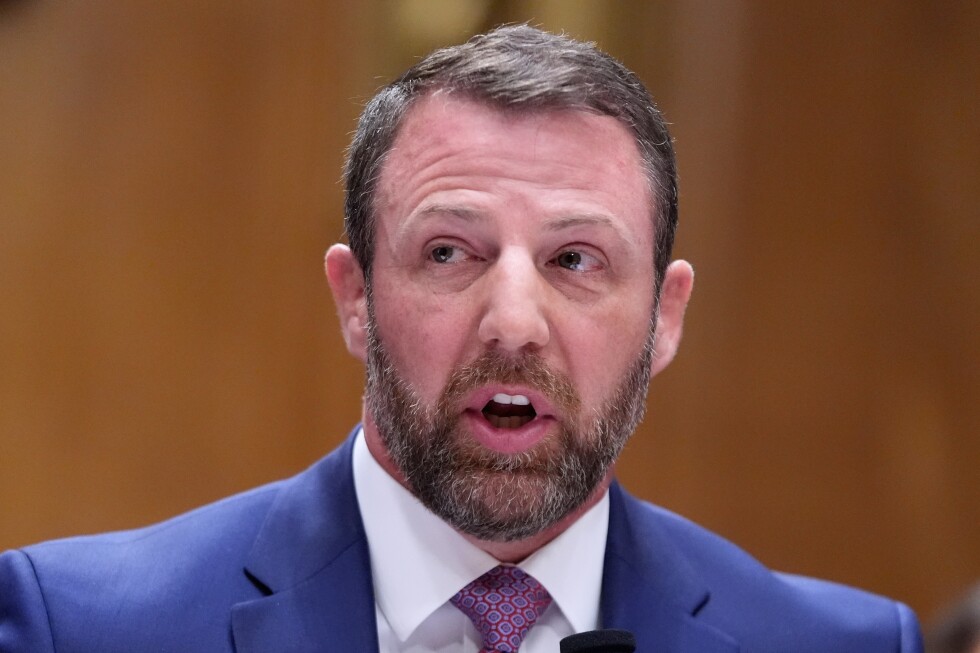
dhs confirmation hearing can delve into personal animosity or past grievances, complicating a nominee's path even further. This was strikingly evident during Senator Markwayne Mullin's confirmation hearing to potentially lead DHS.
Mullin's hearing began with an unexpected and sharp rebuke from a fellow Republican, Senator Rand Paul of Kentucky, who also chaired the committee overseeing the nomination. Paul confronted Mullin directly regarding what he described as violent rhetoric, an issue particularly sensitive for Paul, who had previously suffered severe injuries from an assault. Paul passionately stated, "It’s imperative now more than ever that the leaders in our country disavow violence and lead by example." He then detailed a past interaction where Mullin had allegedly bragged about past physical altercations and used strong language in reference to Paul himself, particularly concerning a dispute over refugee welfare programs funding.
Mullin, acknowledging the strained relationship, defended himself, saying, "I'll come straight to you. I'll say it publicly and I'll say it privately, but I'll never say it behind your back... We just don't get along, however, sir, that doesn't keep me at all from doing my job." He expressed a willingness to set differences aside and "earn your respect." This exchange underscored how personal history and perceived conduct can significantly influence a nominee's reception. A nominee's ability to demonstrate professional decorum, manage conflict, and assure senators of their capacity to work across the aisle, even with those with whom they have personal disagreements, becomes critically important. Such incidents underscore the human element in political processes and the need for nominees to exhibit a temperament suited for high office. For more details on this particular confrontation, explore:
Rand Paul Challenges Mullin on Violent Rhetoric at DHS.
Streamlining the Process: Recommendations for Future DHS Confirmations
Given the crucial nature of DHS leadership and the challenges frequently encountered during confirmation, several strategies could help streamline the process and ensure that future
dhs confirmation hearings are more efficient and focused.
Firstly, for nominees themselves,
proactive and exhaustive preparation is key. This includes not only anticipating policy questions but also meticulously preparing all required financial disclosures and background check information well in advance. Engaging with ethics counsel early and thoroughly can significantly reduce bureaucratic delays. Moreover, nominees should be ready for intense scrutiny into all aspects of their past, including public statements, social media activity, and personal interactions, and prepare to articulate how they can set aside personal differences for the sake of national service.
Secondly, the Senate and its committees play a vital role. Establishing and strictly adhering to clear, agreed-upon timelines for background checks and ethics reviews would be beneficial. While thoroughness is important, expediency should also be a priority for critical national security posts. Committees could also benefit from renewed focus on questions directly pertinent to the nominee's qualifications for the specific role, rather than using the platform primarily for broader political messaging that can extend hearings unnecessarily. Fostering an environment of professional discourse, where questioning is sharp but respectful, can also help maintain focus and move the process forward constructively.
Finally, administrations presenting nominees could improve their internal vetting processes. By conducting incredibly rigorous internal background checks and ethics reviews *before* making a nomination public, they can preempt many of the issues that later cause delays. Clear and consistent communication with Senate leadership regarding the status of nominations and any potential issues can also help manage expectations and accelerate the process. The overarching goal must remain: to ensure the Department of Homeland Security is led by qualified, confirmed officials as swiftly as possible, without compromising necessary oversight.
In conclusion, the journey to becoming a confirmed DHS leader is a multifaceted and often arduous one. From navigating the labyrinthine bureaucratic processes of background checks and ethics reviews, to enduring the intense ideological battles on the Senate floor, and even managing deeply personal political rivalries, a
dhs confirmation hearing is a profound test. While scrutiny is a vital component of democratic accountability, the recurring patterns of delays and distractions underscore the need for continuous refinement of the confirmation process. By focusing on efficiency, relevant inquiry, and professional conduct from all parties involved, America can better ensure that this indispensable department is always equipped with the leadership it needs to protect the nation effectively and without undue hindrance.