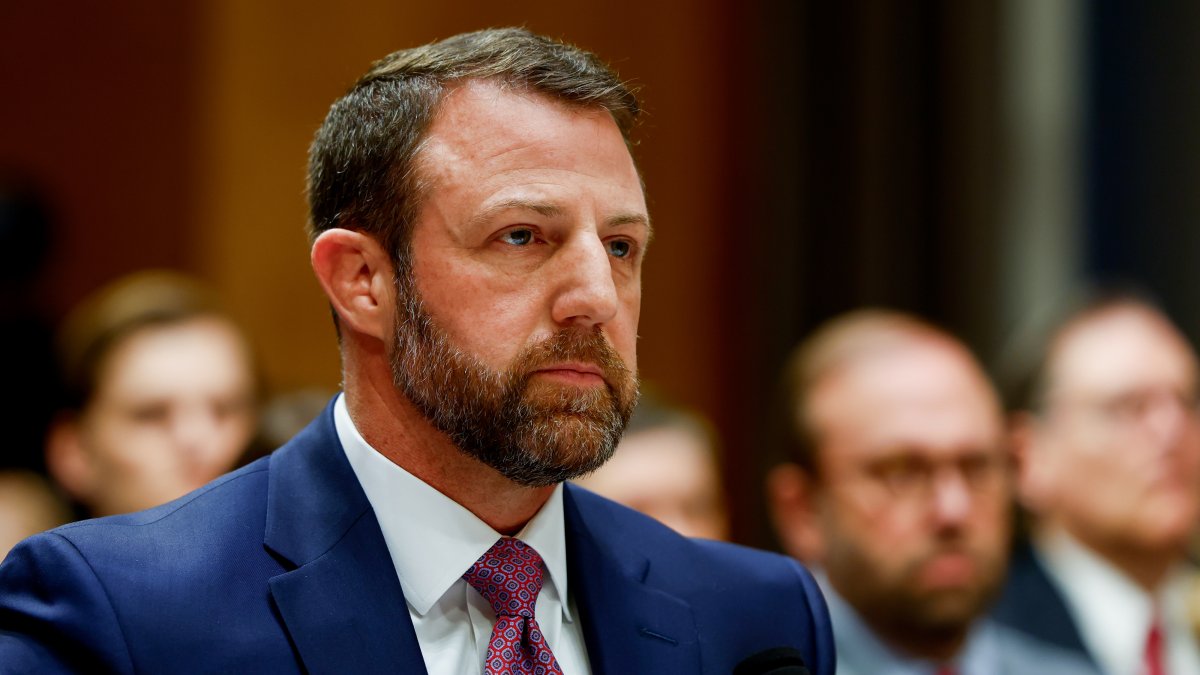
The highly anticipated dhs confirmation hearing for Senator Markwayne Mullin to lead the Department of Homeland Security took an unexpected turn as fellow Republican, Senator Rand Paul of Kentucky, launched a scathing critique of Mullin's past conduct and "violent rhetoric." This dramatic opening underscored the intense scrutiny and varied challenges that high-level nominees often face, ranging from personal attacks to policy debates and bureaucratic delays, all against the backdrop of securing the nation.
A Fiery Start: Senator Rand Paul Confronts Mullin on Rhetoric
The Senate Homeland Security and Governmental Affairs Committee, tasked with approving Senator Markwayne Mullin’s nomination to head the Department of Homeland Security, witnessed a tense exchange that immediately set a confrontational tone. Senator Rand Paul, a prominent voice on the committee, wasted no time in directly challenging Mullin, not on policy or experience, but on character and rhetoric.
Paul opened his remarks with a stark reminder of the imperative for leaders to "disavow violence and lead by example," a sentiment made particularly poignant as he recounted a past attack that left him with six broken ribs. He then pointedly accused Mullin of engaging in and even "bragging" about similar violent posturing. The friction stemmed from a prior disagreement over a measure related to refugee welfare programs, during which Mullin reportedly called Paul a "coward" – a term Paul brought up publicly during the hearing.
Mullin’s response, while attempting to bridge the gap, only highlighted the depth of their personal animosity. "We just don't get along," Mullin conceded, attempting to assure the committee that personal differences would not impede his ability to perform the critical duties of the DHS Secretary. He expressed a willingness to set aside their disputes if Paul would agree to a fresh start, stating, "Let me earn your respect."
This contentious beginning to a crucial dhs confirmation hearing raises significant questions about the temperament and leadership qualities required for such a vital role. The head of Homeland Security must command respect from all sides, foster collaboration, and, most importantly, project an image of calm authority and unwavering commitment to non-violence, both domestically and internationally. A leader whose past rhetoric includes disparaging colleagues or glorifying confrontation might find it challenging to unify diverse factions within the department or gain public trust.
Beyond National Security: Climate Debates in DHS Hearings
While the Mullin hearing highlighted personal conduct, other DHS confirmation hearings have delved into vastly different, yet equally politically charged, territories. A prime example can be found in the dhs confirmation hearing for Kirstjen Nielsen, who served as White House principal deputy chief of staff before her nomination. Instead of focusing solely on cybersecurity, border security, or counter-terrorism, her hearing saw a significant portion dedicated to the debate around climate change.
Senator Tom Carper of Delaware relentlessly pressed Nielsen on whether human activity was primarily responsible for global warming. Nielsen, while acknowledging climate change, carefully navigated the political minefield, stating, "I can’t unequivocally state it’s only caused by humans" and "I'm not prepared to determine causation." Carper and Senator Maggie Hassan of New Hampshire responded with incredulity, citing figures of 98% and 99% scientific consensus on human causation.
This exchange illustrates how dhs confirmation hearings often become platforms for broader political and ideological battles, sometimes seemingly tangential to the core mission of the department. For a comprehensive look at how this debate unfolded, read our detailed analysis: Climate Debate Dominates Kirstjen Nielsen's DHS Hearing.
While the direct link between climate change causation and DHS's immediate operational tasks might seem distant, the reality is that the department is on the front lines of responding to natural disasters – hurricanes, floods, wildfires – whose frequency and intensity are often linked to climate phenomena. A leader’s stance on climate change, therefore, can impact resource allocation, preparedness strategies, and long-term planning for resilience. The questioning highlights a desire by some senators to ensure that nominees for critical departments like DHS possess a scientific understanding relevant to the evolving threats the nation faces.
Navigating the Bureaucratic Maze: Delays in High-Profile Nominations
Beyond contentious rhetoric and policy debates, the path to a confirmed leadership role in departments like Homeland Security is often fraught with bureaucratic hurdles. The confirmation process, designed to ensure due diligence, can become a significant source of delay and frustration. Several high-profile nominees have experienced these setbacks, impacting the smooth transition and operational continuity of vital government functions.
South Dakota's Republican Governor, Kristi Noem, for instance, saw her initial dhs confirmation hearing postponed due to "a delay on the FBI background check." Similarly, former Representative Tulsi Gabbard, nominated for a role within the U.S. intelligence community, faced delays attributed to a "paperwork problem" according to Senate Majority Whip John Barrasso. Even nominees for other critical departments, such as Republican Doug Burgum for the Department of the Interior, encountered significant hold-ups. Senate Energy and Natural Resources Committee chair Mike Lee vocalized his frustration, stating that Burgum's delays were caused by the Office of Government Ethics (OGE) despite the nominee's compliance. Lee called these "bureaucratic delay[s] unacceptable."
These incidents underscore a systemic challenge within the confirmation pipeline. While thorough vetting through FBI background checks and OGE reviews is essential for safeguarding national security and preventing conflicts of interest, delays can impede a new administration's ability to staff key positions, leaving departments without confirmed leadership for extended periods. This can create uncertainty, slow decision-making, and potentially impact the nation's readiness to address emerging threats.
For a deeper dive into the reasons behind these administrative bottlenecks and their broader implications, explore our article: DHS Nominee Hearings: Unpacking Delays and Bureaucracy.
The Stakes of a DHS Confirmation Hearing: More Than Just Policy
A dhs confirmation hearing is far more than a routine procedural step; it's a critical moment for the nation to vet potential leaders who will be responsible for a vast array of national security functions. The Department of Homeland Security is unique in its breadth, encompassing everything from border security and immigration enforcement to disaster response, cybersecurity, and protecting critical infrastructure. The individuals chosen to lead this department must possess a diverse skillset, unwavering integrity, and the ability to inspire confidence across political divides.
The examples from Mullin's fiery start, Nielsen's climate debate, and the various nominee delays highlight several crucial aspects:
- Temperament and Rhetoric: As evidenced by Senator Paul's confrontation, the personal conduct and public rhetoric of a nominee are deeply scrutinized. For a department responsible for domestic security and public trust, a leader's ability to remain composed, disavow violence, and lead by example is paramount.
- Breadth of Knowledge: While core national security expertise is a given, nominees are increasingly challenged on their understanding of broader issues, like climate science, which have direct implications for DHS's operational responsibilities. A holistic understanding of interconnected threats is becoming indispensable.
- Navigating Bureaucracy: The process itself can be a test of patience and resilience. While some delays are frustrating, they underscore the need for nominees to be meticulously prepared and transparent, and for the system to operate efficiently without sacrificing thoroughness.
- Public Confidence: Ultimately, these hearings are about instilling public confidence. The American people need to trust that their leaders are not only competent but also ethically sound, fair-minded, and committed to protecting all citizens without prejudice.
For aspiring leaders or those observing the political landscape, understanding the multi-faceted nature of a dhs confirmation hearing is key. It's a high-stakes environment where personal history, political ideologies, bureaucratic efficiency, and national security priorities all converge.
The journey to leading the Department of Homeland Security is clearly multifaceted, fraught with personal confrontations, policy diversions, and bureaucratic hurdles. From Senator Rand Paul's direct challenge to Markwayne Mullin's rhetoric, to Kirstjen Nielsen's deep dive into climate science, and the widespread delays affecting various nominees, each dhs confirmation hearing reveals the complex interplay of politics, personality, and procedure. These instances collectively underscore the immense responsibility placed upon the shoulders of the DHS Secretary and the rigorous scrutiny required to ensure that America's homeland security is entrusted to the most capable, temperate, and well-vetted leaders.